
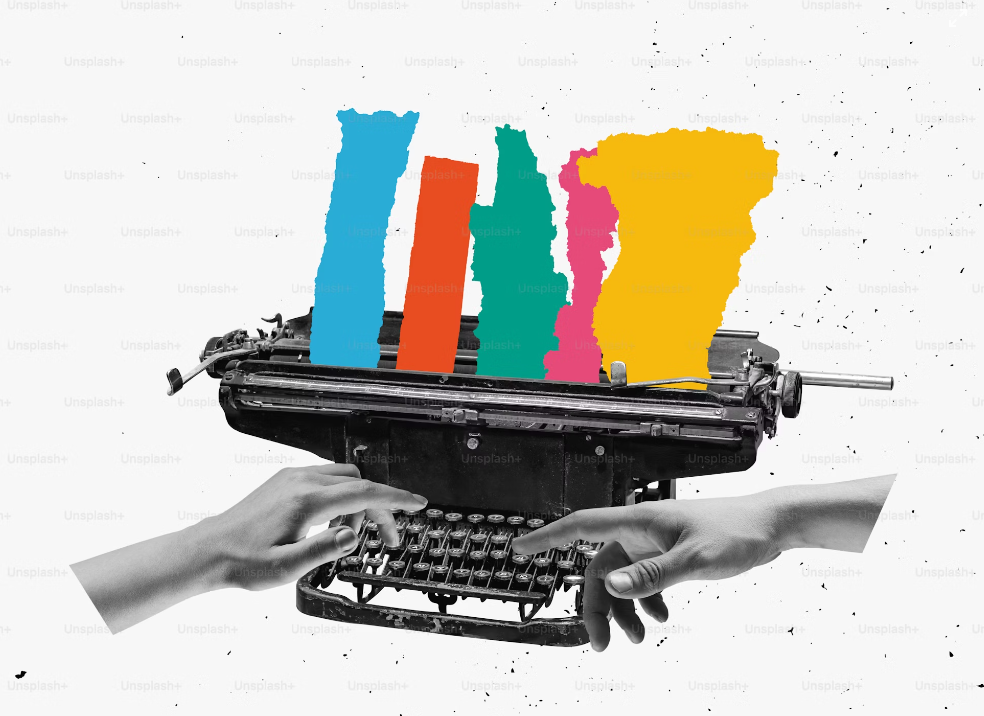
As a dark fiction author, I’ve always been drawn to the shadows, not just in the crevices of the human psyche, but also in the annals of history where writers have dared to challenge the status quo. I even dedicated one of the chapters to my thesis to the subject of the Power in language.
The pen, as they say, can be mightier than the sword, and American literary writers have proven this time and again, wielding their words against the government’s might. Here are six instances where their voices echoed through the pages, speaking truth to power.
1. Henry David Thoreau – The original dissenter, Thoreau’s “Civil Disobedience” is a cornerstone of protest literature. He famously quipped, “Under a government which imprisons any unjustly, the true place for a just man is also a prison.” His refusal to pay a poll tax as a protest against slavery and the Mexican-American War was an act of defiance that still resonates today.
2. Mark Twain – The satirical master, Twain’s writings often critiqued society and government. He once mused, “Loyalty to the country always. Loyalty to the government when it deserves it.” His skepticism of government actions, especially in the context of imperialism and war, was evident in works like “The War Prayer“.
3. Upton Sinclair – Sinclair’s “The Jungle” exposed the harsh realities of the American meatpacking industry, leading to public outcry and government action. He stated, “I aimed at the public’s heart, and by accident I hit it in the stomach.” His work showcases the power of literature to instigate change.
6 Instances Where American Literary Writers Speak Out Against The Government continued
4. Thomas Paine – A revolutionary voice, Paine’s “Common Sense” and “The American Crisis” papers were pivotal in rallying the colonists against British rule. His words, “We have it in our power to begin the world over again,” encapsulate the spirit of revolution and the belief in the power of collective action.
5. Audre Lorde – A fierce advocate for civil rights and equality, Lorde’s poetry and essays are a clarion call for justice. She declared, “Revolution is not a one time event,” highlighting the ongoing struggle against oppression and the need for persistent activism.
6. Howard Zinn – A historian and playwright, Zinn’s work, including “A People’s History of the United States,” offers a critical view of American history from the perspective of the marginalized. He believed, “Protest beyond the law is not a departure from democracy; it is absolutely essential to it,” emphasizing the importance of civil disobedience.
These authors, with their incisive words and bold stances, remind us that literature can be a powerful force for societal reflection and governmental accountability. They inspire us, the readers and intellectuals, to question, to challenge, and to never be complacent in the face of injustice.
As a writer who dwells in the darker realms of fiction, I find their courage illuminating, a beacon that guides us through the night of our nation’s troubled times. May their legacy continue to inspire generations to come.
Thank you for visiting with us. For more Reviews, visit our blog at The Ritual.




Leave a Reply