
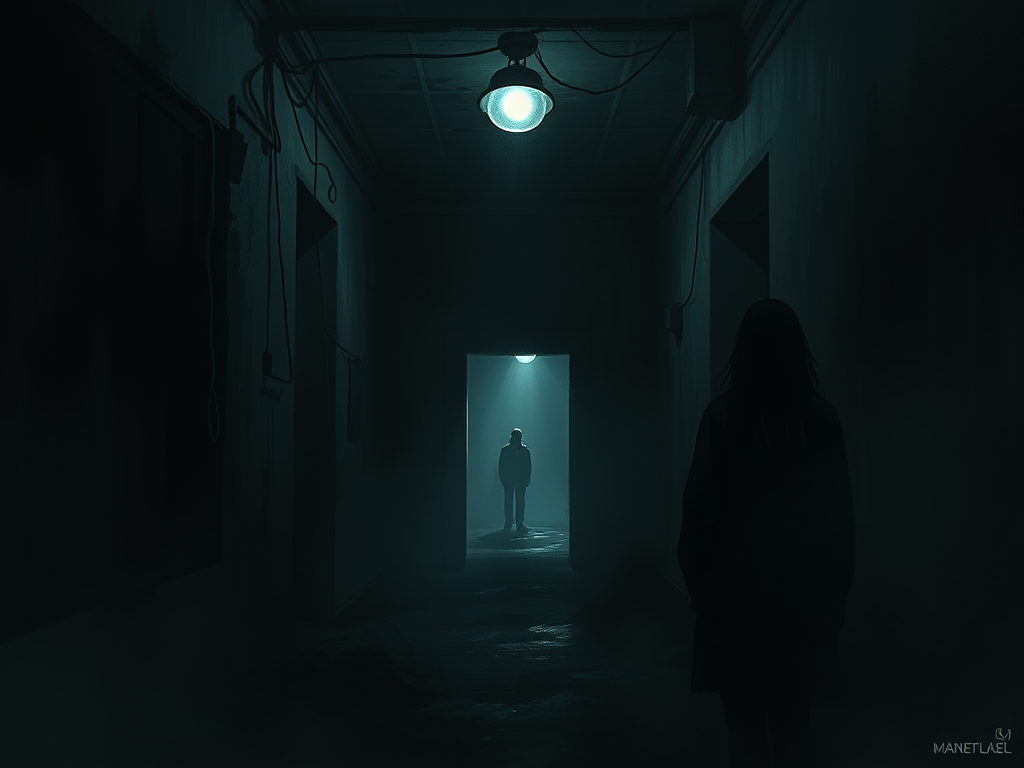
If you’re reading this, you know the sensation. It’s that prickle on the back of the neck, that sudden, cold recognition that the world isn’t as stable as the morning news would have you believe. As a writer of dark fiction, I don’t just observe this feeling—I dismantle it. I study the gears and pulleys of dread, the specific rhetorical triggers that turn a perfectly rational mind into a conspirator against itself.
Fear is the oldest, most effective narrative tool we have. It is the original plot hook. But to use it—or to understand where the real monsters hide—we have to stop treating fear as an emotion and start treating it as a structure.
The Architecture of the Unknown
In my work, I’ve found that true terror isn’t found in the jump scare or the gore. Those are cheap pyrotechnics. Real, enduring fear is found in the liminal space—that uncomfortable, shifting boundary where “what we know” meets “what we suspect is coming.”
When we look at the discourse of our modern age, we see the same tropes used by master storytellers of the dark tradition:
- The Unreliable Narrator (The System): We are told the economy is robust, the infrastructure is sound, and the future is a linear progression of progress. But the rhetoric of fear—the true, dark rhetoric—points out the contradictions. The monsters aren’t under the bed; they are in the gaps of the logic.
- The Entropy Metaphor: In dark fantasy, we often depict the “creeping rot” or the “encroaching blight.” In our reality, this manifests as systemic decay. We are currently witnessing a masterclass in atmospheric horror: the slow, agonizing realization that the institutions we relied on to keep the lights on are flickering.

Based on your taste in literature, I think we could be good friends. Sign up below for the archive below and free eBook giveaways.
Where the Monsters Lay
As a student of discourse, I spend a lot of time mapping the geography of dread. We like to think monsters are external, identifiable entities—the villains, the shadowy cabals, the “others.” That’s a comforting thought. It makes the world manageable.
But the reality is far more inconvenient: The monsters are made of our own consensus.
When we collectively choose to look away from the thinning ice—the frayed social contract, the volatile digital foundations, the erosion of nuance—we feed the beast. We provide the narrative fuel that keeps the horror running. The rhetoric of fear works because it highlights the vulnerability we are too exhausted to fix.

Becoming the Protagonist
If you’re feeling the weight of this, don’t look for an exit. There isn’t one. You are, at this moment, the protagonist of a dark fiction piece. The question isn’t whether the “monster” (the instability, the crisis, the change) is coming. It’s whether you have the narrative agency to write your own survival.
- Don’t Flinch: The first step in any dark story is acknowledging the horror. Stop scrolling past the warning signs. Name them.
- Define Your Perimeter: In fiction, the hero survives because they understand their tools. Audit your life. What is essential? What is merely an attachment to a failing system?
- Claim the Narrative: Fear is a form of persuasion. Don’t let the world persuade you into paralysis. Use that adrenaline. It’s not meant to freeze you; it’s meant to move you.
The page is still blank, and the ending hasn’t been written yet. The monsters may be gathering in the dark, but remember: in the best stories, the protagonist is the one who learns to see in the dark before the final act begins.
Follow Mind on Fire on Social Media
Thank you for visiting with me. For more Reviews or Literature related content, visit my blog at The Ritual. Copyright Mind on Fire Books.


Leave a Reply