
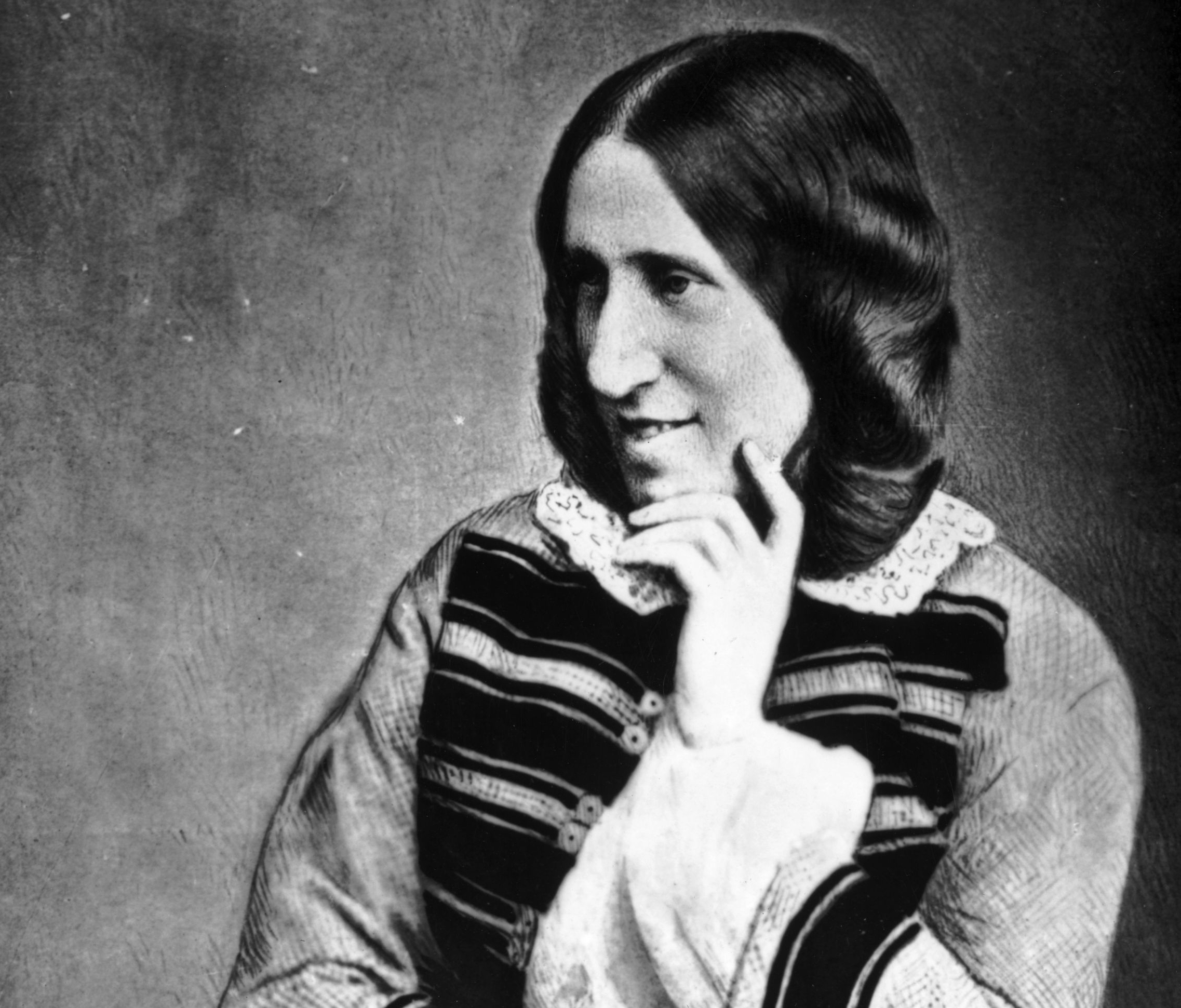
In early 2008, I first encountered the brilliance of George Elliot through her novel The Mill on the Floss. From the very first chapters, it was clear: this was no ordinary Victorian novelist. George Elliot wielded intellectual agency with precision, embedding philosophical depth and literary allusion into nearly every paragraph. It took several spirited classroom debates and late-night discussions with fellow students to begin unpacking the layers of her work. Her fiction doesn’t just tell stories—it challenges readers to think, to question, and to reflect.
George Elliot’s Literary Genius
What sets George Elliot apart is her ability to weave dense philosophical ideas into emotionally resonant narratives. Her prose is rich with references—nods to classical literature, theology, and contemporary thought—that reveal just how widely read and deeply thoughtful she was. In many ways, she playfully critiques other literary works, often with a subtle wit that rewards attentive readers.
Despite her towering intellect, pop culture has not always treated George Elliot with the reverence she deserves. A 2013 New Yorker piece highlighted how modern media, including a viral tweet from Lena Dunham, reduced Elliot’s legacy to scandalous gossip:
“If George Eliot’s Wikipedia entry has received an unusually high number of views this week, the responsibility lies with Lena Dunham, who tweeted… ‘she was ugly AND horny!’”
Such commentary misses the point entirely. George Elliot was a revolutionary thinker—a woman who defied societal norms, wrote under a male pseudonym to be taken seriously, and produced some of the most enduring works in English literature.

Why George Elliot Still Matters
George Elliot’s writing remains profoundly relevant. She understood the power of language to shape thought and behavior. Her novels are not just stories; they are philosophical treatises wrapped in human drama. She invites readers to confront moral ambiguity, social injustice, and the complexity of human emotion.
Here are some of the most empowering and thought-provoking quotes from George Elliot—words that continue to inspire strength, empathy, and introspection:
George Elliot Quotes to Make You Feel Strong
“It is never too late to be what you might have been.”
“What do we live for, if it is not to make life less difficult for each other?”
“For pain must enter into its glorified life of memory before it can turn into compassion.”
“Blessed is the man who, having nothing to say, abstains from giving us wordy evidence of the fact.”
“It is a narrow mind which cannot look at a subject from various points of view.”
“It seems to me we can never give up longing and wishing while we are still alive…”
“What destroys us most effectively is not a malign fate but our own capacity for self-deception…”
“If we had a keen vision and feeling of all ordinary human life… we should die of that roar which lies on the other side of silence.”
These quotes are more than literary flourishes—they are reminders of Elliot’s enduring wisdom and emotional clarity.
The Mythic Layers of George Elliot’s Work
While reading The Mill on the Floss, I was struck by a reference to Sappho, the ancient Greek poet from Lesbos. Sappho’s legend—particularly the tale of her drowning for love—echoes through the novel’s tragic ending. This intertextual gesture isn’t accidental. George Elliot uses myth and history to deepen the emotional stakes of her narratives, often invoking female power, passion, and sacrifice.

“O may I join the choir invisible Of those immortal dead who live again In minds made better by their presence…”

This excerpt from Elliot’s poem “O May I Join the Choir Invisible” captures her ultimate literary ambition: to live on through the minds she stirs and the hearts she moves.

Celebrating the Legacy of George Elliot
George Elliot—born Mary Ann Evans—was one of the most influential English novelists of the 19th century. Her major works include:
| Title | Year Published |
|---|---|
| Adam Bede | 1859 |
| The Mill on the Floss | 1860 |
| Silas Marner | 1861 |
| Middlemarch | 1871–72 |
| Daniel Deronda | 1876 |

If you found this exploration of George Elliot compelling, be sure to check out more literary deep dives and author spotlights on The Ritual.
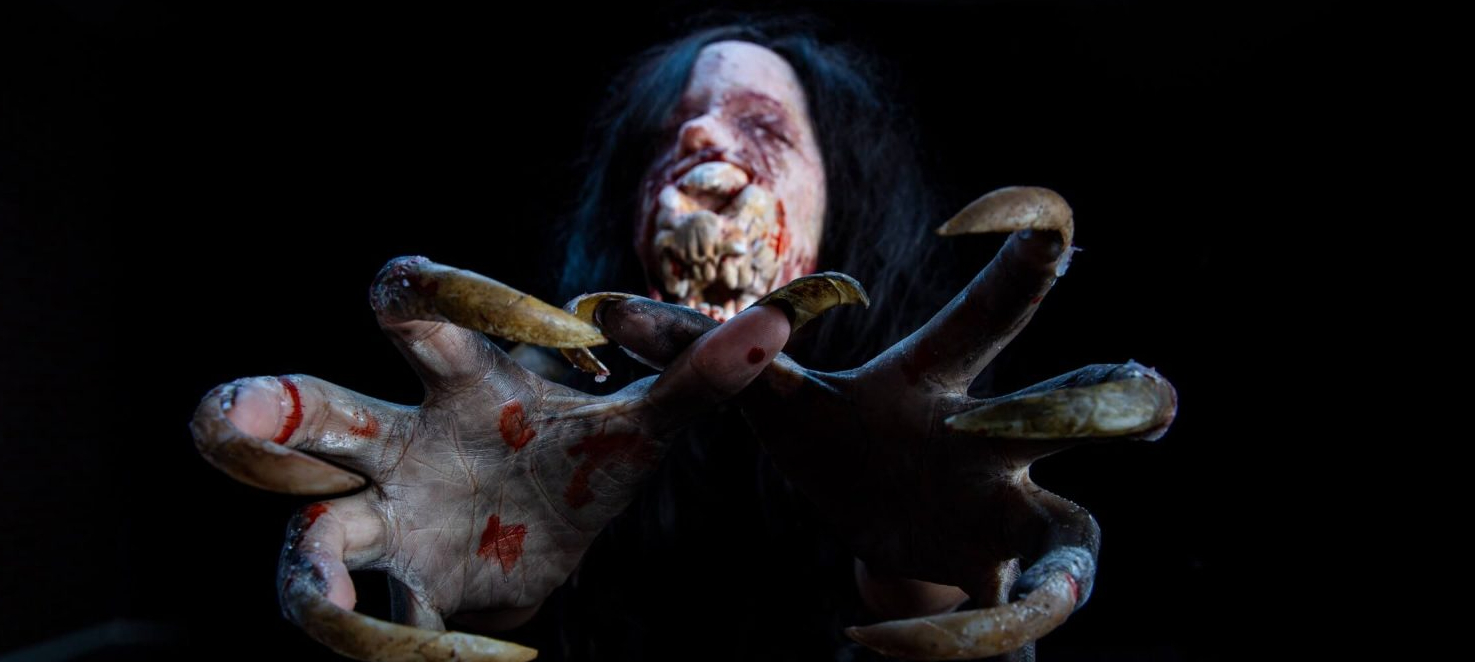
Folklore and Flesh: A Dark Fiction Collection of Folklore and Body Horror
Step into the uncanny with Folklore and Flesh—a collection of visceral horror stories and haunting poems that blur the boundaries between myth and the body. From ancient rituals and supernatural transformations to the raw ache of grief and memory, these tales invite you to explore the shadowed places where folklore becomes flesh.
This collection binds 10 creative short stories and a dozen visceral poems.




Leave a Reply