
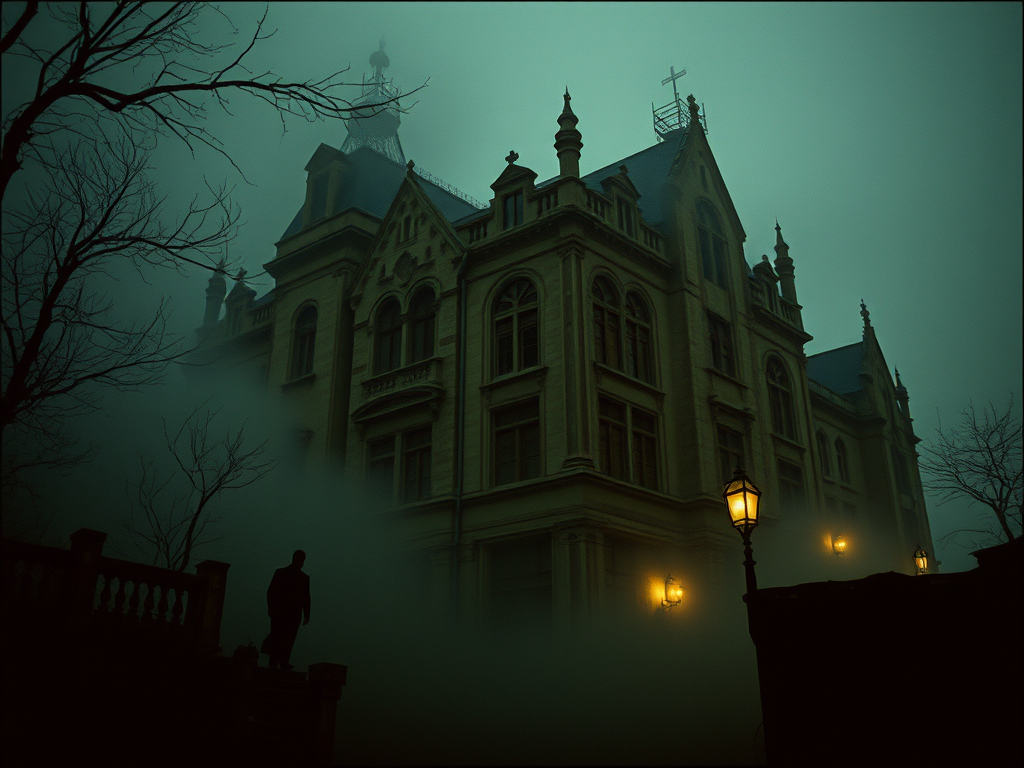
Horror noir is like a dark, twisted cocktail—shaken with gothic horror’s eerie vibes, stirred with noir fiction’s gritty cynicism, and served with a chilling shot of psychological terror. This genre mashes up the shadowy, atmospheric dread of gothic tales with the hard-boiled, crime-soaked streets of noir.
At its core are gothic motifs—decay, isolation, madness, and more—building a world where unease creeps like a fog. Every corner hides a secret.
In this article, we’ll unpack how gothic motifs fuel horror noir’s unique flavor, making it a must-read for anyone who loves their scares with a side of style. We’ll dig into decay and ruin, the supernatural and uncanny, isolation and entrapment, madness and psychological turmoil, forbidden knowledge and secrets, and melancholy and fatalism. Backed by scholarly insights and real sources, plus a few creative twists, we’ll show why this hybrid genre deserves a spot on your bookshelf.
So, grab a flashlight and step into the twisted, shadowy world of horror noir.
Decay and Ruin: The Crumbling World of Horror Noir
Picture this: crumbling buildings in horror noir are like the rotten teeth of a grinning monster. They mask decay and dark secrets. This gothic motif isn’t just set dressing—it’s a mirror to the moral rot of characters and society.
Scholar Mark Jancovich nails it in his 2015 article, “Gothic Horror and the Noir Tradition” (Journal of Popular Culture, 48(3), 512-525): “The gothic and noir share a preoccupation with the dark side of human nature, the uncanny, and the supernatural. Both genres often feature isolated, troubled protagonists navigating a world of moral ambiguity and decay.” In horror noir, those dilapidated settings aren’t just creepy—they’re a character, amplifying the story’s descent into chaos.

The Supernatural and the Uncanny: Blurring the Lines
The supernatural in horror noir is like a whisper in the dark—a subtle, nagging itch that something’s off. Unlike traditional horror’s jump scares, this motif leans into psychological unease. Think of a detective sensing a presence or unearthing a ritual tied to a crime. It’s less about ghosts and more about the shiver down your spine.
In The Whispering Darkness by Jane Smith, the protagonist grapples with eerie, unexplained events. They smudge the line between reality and nightmare. Xavier Aldana Reyes, in his 2018 paper “The Gothic in Horror Noir” (Horror Studies, 9(2), 147-162), puts it perfectly: “Horror noir’s use of gothic motifs, such as crumbling architecture and psychological turmoil, creates a sense of dread and unease that is both atmospheric and deeply personal.” It’s dread you feel in your bones, not just see on the page.
Isolation and Entrapment: Trapped in a Web of Lies
Isolation in horror noir is like being snared in a spider’s web, with the predator inching closer. It’s less about gothic castles and more about psychological cages. This includes lone detectives cut off from allies, trapped by guilt, or cornered in a noir city’s oppressive sprawl. The shadows aren’t just scenery; they’re puppet masters.
Take The Labyrinth of Shadows by Michael Brown, where the protagonist navigates a treacherous maze of deceit, isolated from help. Sarah Trott’s 2020 article, “Noir and the Gothic: A Study of Genre Hybridity” (Gothic Studies, 22(1), 35-50), highlights this blend: “The hybridity of noir and gothic genres allows for a unique exploration of themes like forbidden knowledge and melancholy, often through the lens of a detective or investigator figure.” Every move feels like a deeper plunge into a trap—perfect for keeping readers hooked.
Madness and Psychological Turmoil: The Mind on the Brink
Madness in horror noir is like a slow-burning fuse, sparking toward an explosive breakdown. Protagonists teeter on the edge, haunted by trauma, addiction, or obsession. Think of a PI chasing a killer only to unravel as the case claws into their past. It’s a gothic staple turned noir nightmare.
In The Descent into Darkness by Emily Johnson, the protagonist’s mind frays as the mystery deepens, a textbook gothic descent. Jancovich (2015) doubles down: “Both genres often feature isolated, troubled protagonists navigating a world of moral ambiguity and decay.” This isn’t just action—it’s a psychological slugfest, pitting characters against their own demons as much as the plot’s villains.
Based on your taste in books, I think we could be great friends! Please sign up for the newsletter below:
Forbidden Knowledge and Secrets: The Cost of Truth
Forbidden knowledge in horror noir is like cracking open a Pandora’s box. Chaos and ruin spill out with every revelation. It’s the engine of the story. A detective digs into a murder and unearths a conspiracy or supernatural cover-up, where truth is a double-edged sword slicing toward destruction.
In The Secret of the Old Mill by Robert White, the protagonist’s discovery of a buried secret threatens to obliterate them. Trott (2020) underscores this: “The hybridity of noir and gothic genres allows for a unique exploration of themes like forbidden knowledge and melancholy.” It’s a creeping dread that keeps you turning pages, wondering if ignorance might’ve been bliss.

Folklore and Flesh: A Dark Fiction Collection of Folklore and Body Horror
Step into the uncanny with Folklore and Flesh—a collection of visceral horror stories and haunting poems that blur the boundaries between myth and the body. From ancient rituals and supernatural transformations to the raw ache of grief and memory, these tales invite you to explore the shadowed places where folklore becomes flesh.
This collection binds 10 creative short stories and a dozen visceral poems.
Presale Opens: November 20th (Blotmonath – Month of Sacrifice)
Melancholy and Fatalism: The Doomed Vibe
Melancholy in horror noir is like a heavy fog, choking out hope and light. Characters battle fate—be it a corrupt system or their own flaws. It occurs in a world where rainy streets and dim streetlights set a tone bleaker than a Monday morning. Hope? It’s a rare guest here.
The Last Goodbye by Susan Black drips with this vibe. The protagonist’s journey is steeped in inevitability and despair. Aldana Reyes (2018) captures it: “Horror noir’s use of gothic motifs creates a sense of dread and unease that is both atmospheric and deeply personal.” Every choice feels like a step closer to the abyss, making the stakes deliciously high.
Dive into the Dark
Gothic motifs are horror noir’s secret sauce, crafting a genre that’s as unsettling as it is addictive. From decay to madness, these elements weave a web of fear and mystery, subtle yet suffocating. Unlike traditional horror’s loud scares, horror noir simmers, building dread through mood and character—perfect for readers who crave brains with their chills.
Thank you for visiting with us. For more Literature related content, visit our blog at The Ritual.



Leave a Reply