
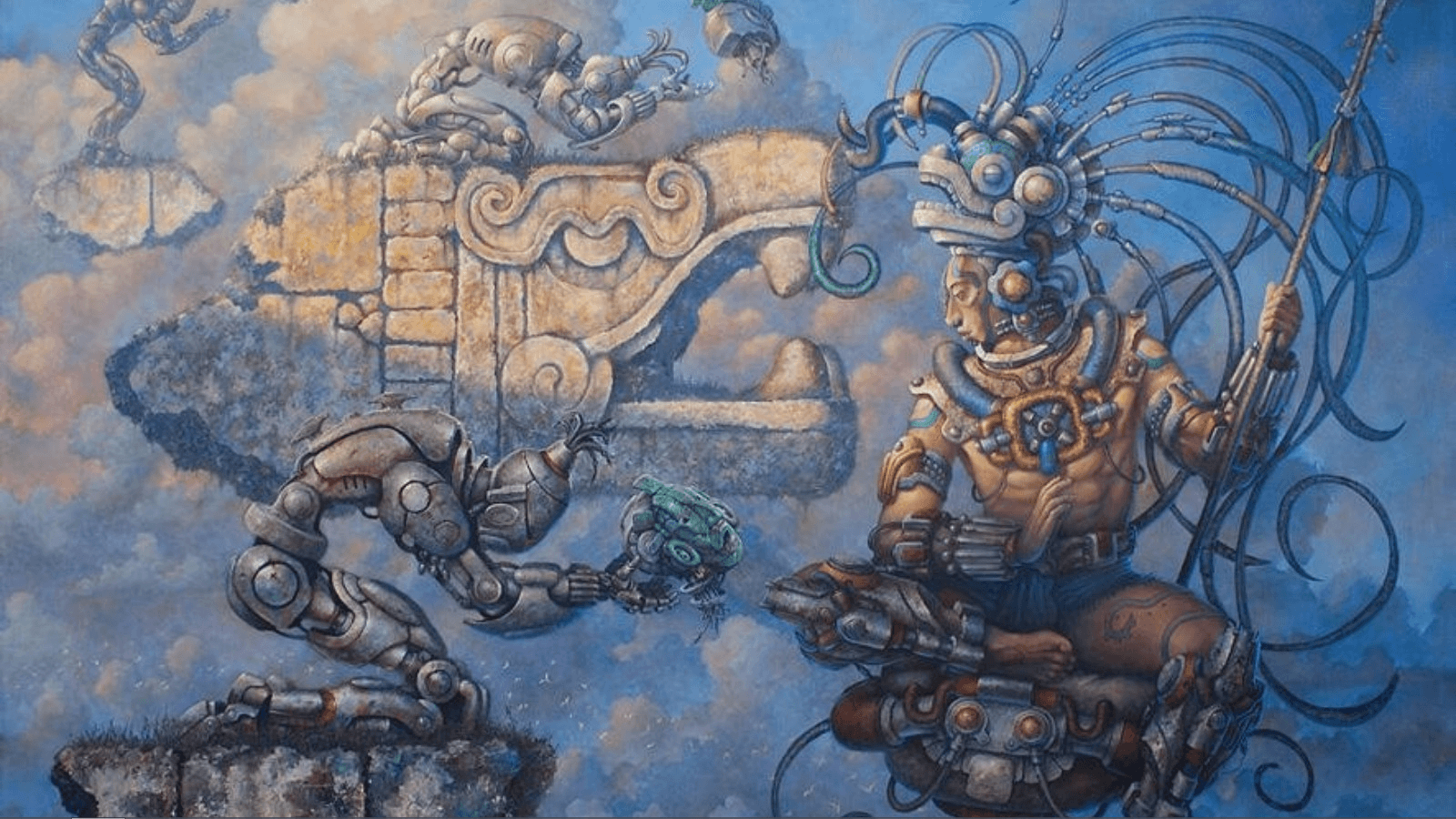
In the early 15th century, a remarkable boy named Cusi Yupanki was born in the city of Cuzco. Despite facing initial obstacles and against all odds, this bronze-skinned child would go on to reshape the entire continent like no one had ever done before. His impact on history was truly unparalleled, defying the forces of destiny that were initially working against him.
Yupanki, the son of Emperor Wiraqucha, was not originally destined to be the ruler of the Inca Empire after his father. The divine title and responsibility were intended for his beloved brother Urco, who held a special place in the heart of Viracocha. As a result, Urco was appointed as the crown prince and heir to lead their people.
During his younger years, Yupanki accomplished an impressive victory over the Chanka people, who had been longstanding adversaries of the Inca civilization. This triumph stands as a remarkable testament to his leadership and strategic abilities. After offering the slain bodies of the Chanka to his father to walk upon as part of the rites of victory, the emperor Viracocha refused the honor his son meant for him, instead offering the spoils of war to the soon-to-be-emperor Urco. Despite the emperor’s wishes, Yupanki boldly conveyed that his victory was not just for his brother, but also a tribute to his father’s enduring legacy. This act of defiance angered Viracocha, leading him to express his fury.

The emperor Viracocha plotted to assassinate his son as a message to any who would oppose his word or his law. However, news of the plot reached Yupanki and the attempt on his life failed, resulting in Viracocha fleeing out of fear of reprisal and being forced into exile. Following his father’s exile, tragedy struck the favored heir Urco who was reportedly murdered, supposedly on the orders of his own brother. This heartbreaking event is said to have ultimately led to Viracocha’s demise as he succumbed to extreme grief.
If you enjoy this article, visit our blog at The Ritual for related flash fiction.
Yupanki, with his declaration of undisputed rule, garnered immense admiration in the Inca capital Cuzco. Receiving the name Pachaquitik, meaning “Earth Shaker,” he was hailed as a hero of the people and proclaimed as the new emperor of the empire. Pachacuti’s singular focus was on expanding the empire, prioritizing it above all else, regardless of the costs involved.
The Inca Empire had a policy of assimilation toward tribes or groups living outside its borders. This means that these communities were actively targeted for integration into the Inca kingdom. The first to fall were the Inca’s historic enemies the Chankas, who previously seized Inca territories under Viracocha’s rule. Other tribes that soon found themselves living under Pachacuti’s rule included the Soras and the Ayarmaca people, as well as parts of the Chincha tribes to the east. Tragically, despite initially entrusting his brother and general Capac Yupanqui with the task of assimilating the Chincha people, Pachacuti ultimately chose to have him executed due to his failure to meet the expected standards of the campaign. This unfortunate turn of events marked yet another loss of life within Pachacuti’s own family.
Pachacuti’s commitment to maintaining control extended beyond his own family. During his reign, he introduced comprehensive reforms aimed at securing the loyalty and compliance of all those assimilated into his empire. This system, known as the mitma, was designed to ensure unity and obedience among the people.
The mitma had a clear objective: to suppress any potential uprising by fragmenting conquered ethnic groups and forcibly imposing Inca ideologies, customs, and rituals. Pachacuti tactically initiated this process from the highest levels of society.
Eliminating the leader or king of a recently conquered tribe often bred animosity and fueled the desire for rebellion among the subjugated people toward their newly established Inca rulers. In a different approach, Pachacuti made a decision to send the children of tribal leaders who were defeated in battles to Cuzco. There, they would receive extensive education and indoctrination, including instruction in the native language of the Incas, Quecha. This was done to prepare them for future leadership positions within the empire.

By implementing such a strategy, the Inca ensured that the future leaders of any subjugated population would remain loyal to their cause. Additionally, this tactic maintained control over existing leaders by holding their children hostage in the capital, thereby ensuring their continued subordination.
Once the head of the snake was dealt with, Pachacuti focused on the body. The mitma decreed that entire groups of people were forcibly relocated from their ancestral homes to new areas of the empire, compelling them to integrate into cities or regions with strong allegiances to the Inca empire. This diluted the old loyalties a group of people once held, at the same time promoting religious, ideological, and cultural assimilation that would ensure the strength of the Inca empire.
If you enjoy this article, visit our blog at The Ritual for related flash fiction.
The impact of the mitma system was profound, as it led to the gradual erosion of ancestral cultural traditions that had endured for centuries. In just a generation or two, these once vibrant foundations crumbled into mere relics of memory and dust. Ultimately, what remained was a dominant Inca culture that prevailed over the others.

Pachacuti’s efforts to create a unified Inca society were accomplished by eradicating most previous cultures, ensuring a sense of homogeneity and complete obedience among its people. In the rare cases of dissidence, or where a person refused to abide by the ideological beliefs that were a part of the state-promoted norm, it was seen as a serious threat to the empire. These crimes of thought were severely punished, generally by throwing offenders off a cliff to meet a grisly death on the rocks far below.
The mandate of Pachacuti was clear – obedience was expected in every action, word, and even thought. OBEY





Leave a Reply