

Bloomsday, Dublin, and the Sci-Fi Noir Connection
Every June 16, literary fans celebrate Bloomsday—the day Ulysses takes place—by retracing Leopold Bloom’s path through Dublin. While this modernist masterpiece may seem worlds apart from sci-fi noir, horror, and fantasy. Joyce’s radical narrative experiments have deeply influenced speculative fiction.
Joyce turned an ordinary day into a mythic odyssey, mapping Dublin so thoroughly that it practically becomes a character in Bloomsday itself. Sci-fi and fantasy world-building follow the same principle. They craft cities and universes that feel immersive and alive. His stream-of-consciousness style, fractured timelines, and layered symbolism laid the foundation for complex storytelling techniques. These techniques permeate science fiction and horror today.

Sci-Fi Noir: A Hardboiled Bloomsday?
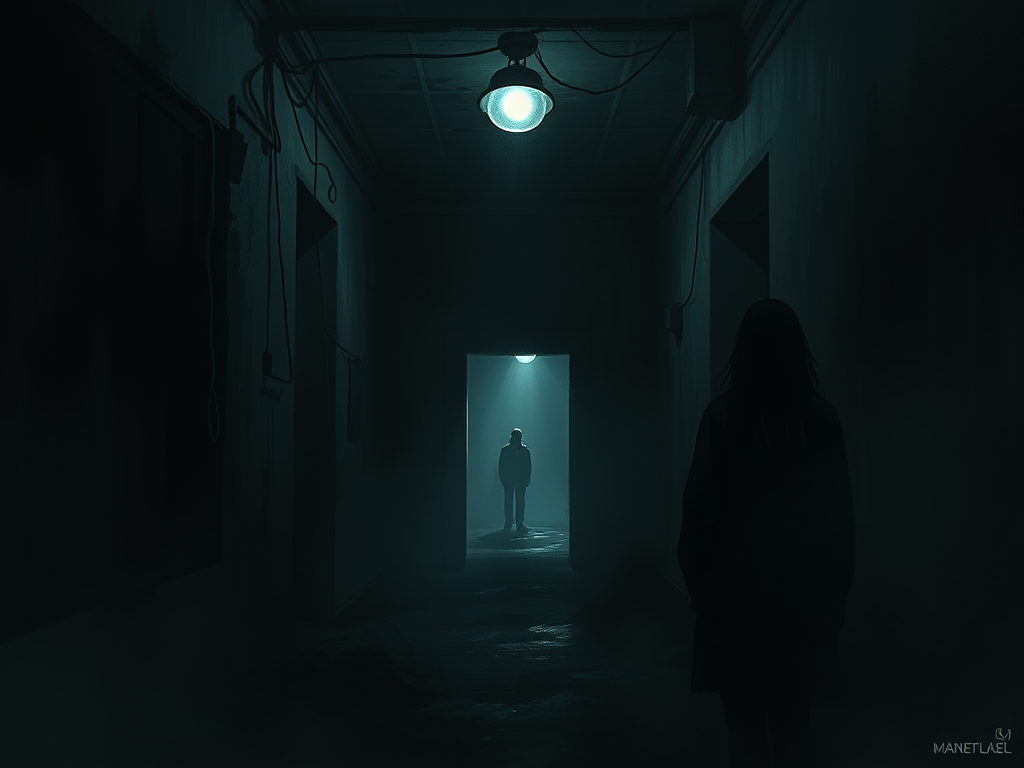
Picture a detective wandering neon-lit streets, narrating his existential crises while rain drips from his trench coat. This noir trope mirrors Ulysses’s structure—Leopold Bloom navigating Dublin with his own internal monologue. He contemplates everything from love to lunch.
Sci-fi noir often thrives on gritty urban settings and introspective narration. Both are rooted in Joyce’s deep character interiority. Consider how cyberpunk authors, like William Gibson in Neuromancer, use mood-driven descriptions to capture a city’s pulse—much like Joyce’s meticulous portrayal of Dublin’s streets. If Bloom were reborn in a dystopian metropolis, he’d fit right in with the world-weary protagonists of modern noir fiction. He would find Bloomsday echoing in their stories.
Stream-of-consciousness narration, unreliable memories, and fragmented perspectives—hallmarks of modernism—are tools sci-fi noir wields expertly. Joyce’s legacy lives on in detective stories where personal thoughts intertwine with external chaos. These elements shape both classic hardboiled mysteries and futuristic thrillers.
Based on your taste in books, I think we could be great friends!
Horror’s Psychological Descent: The Nightmare of the Unknown
Joyce’s literature doesn’t fit neatly into horror, but his stylistic fingerprints are all over psychological dread. Ulysses famously declares, “History is a nightmare from which I am trying to awake,” a phrase that encapsulates much of horror’s existential terror.
Modern horror leans heavily on subjective fear, unreliable narrators, and stream-of-consciousness techniques to blur reality and perception. These are tricks Joyce perfected long before horror authors used them to unsettle audiences. Consider Shirley Jackson’s The Haunting of Hill House, which keeps readers trapped inside the protagonist’s unraveling mind. This is much like Joyce’s deep-dive into Bloom’s psyche during Bloomsday.
Even cosmic horror—Lovecraft’s brand of unexplainable dread—owes something to modernism’s obsession with the limits of human understanding. Joyce’s language experiments, his “horror vacui” (fear of emptiness), and his narrative disorientation mirror the unease found in horror’s exploration of the unknowable.
Fantasy & Myth: Joyce’s Secret Influence on Modern Epics
Fantasy may seem the furthest removed from Joyce’s modernism, but scratch the surface and the parallels emerge. Ulysses reimagines Homer’s Odyssey within a modern city, proving that mythic storytelling can thrive in even the most ordinary settings.
Fantasy literature routinely embraces this idea—retelling legends in contemporary forms or transforming everyday characters into epic heroes. Neil Gaiman’s American Gods updates mythic figures for modern America much as Joyce updated ancient epics for Dublin. Similarly, Roger Zelazny’s Lord of Light reconstructs Hindu mythology within a sci-fi framework. Joyce’s influence is less direct here but unmistakable—showing that the bones of mythology can be repurposed for any genre, including Bloomsday celebrations worldwide.
Even Joyce’s fascination with invented language and linguistic play foreshadowed the way fantasy authors craft unique dialects and terminologies. His “Three quarks for Muster Mark!” from Finnegans Wake directly inspired physicists to name subatomic particles “quarks.” This proves that his imaginative linguistic world-building extended far beyond literature itself.

Bloomsday for Genre Lovers
Bloomsday might feel like a literary holiday reserved for academics and Joyce scholars, but it’s actually a celebration of storytelling innovation. Joyce’s radical experiments—stream-of-consciousness narration, city-driven world-building, fragmented timelines—didn’t stay within modernist literature. They spilled into sci-fi noir, horror, and fantasy, shaping how genre writers push boundaries today.
So, whether you’re tracing Bloom’s steps through Dublin on Bloomsday or curling up with a cyberpunk thriller, Joyce’s fingerprints are everywhere. Bloomsday isn’t just for literary purists—it belongs to genre fiction lovers too.
Thank you for visiting with us. For more Reviews or Literature related content, visit our blog at The Ritual. Copyright Mind on Fire Books.


Leave a Reply