
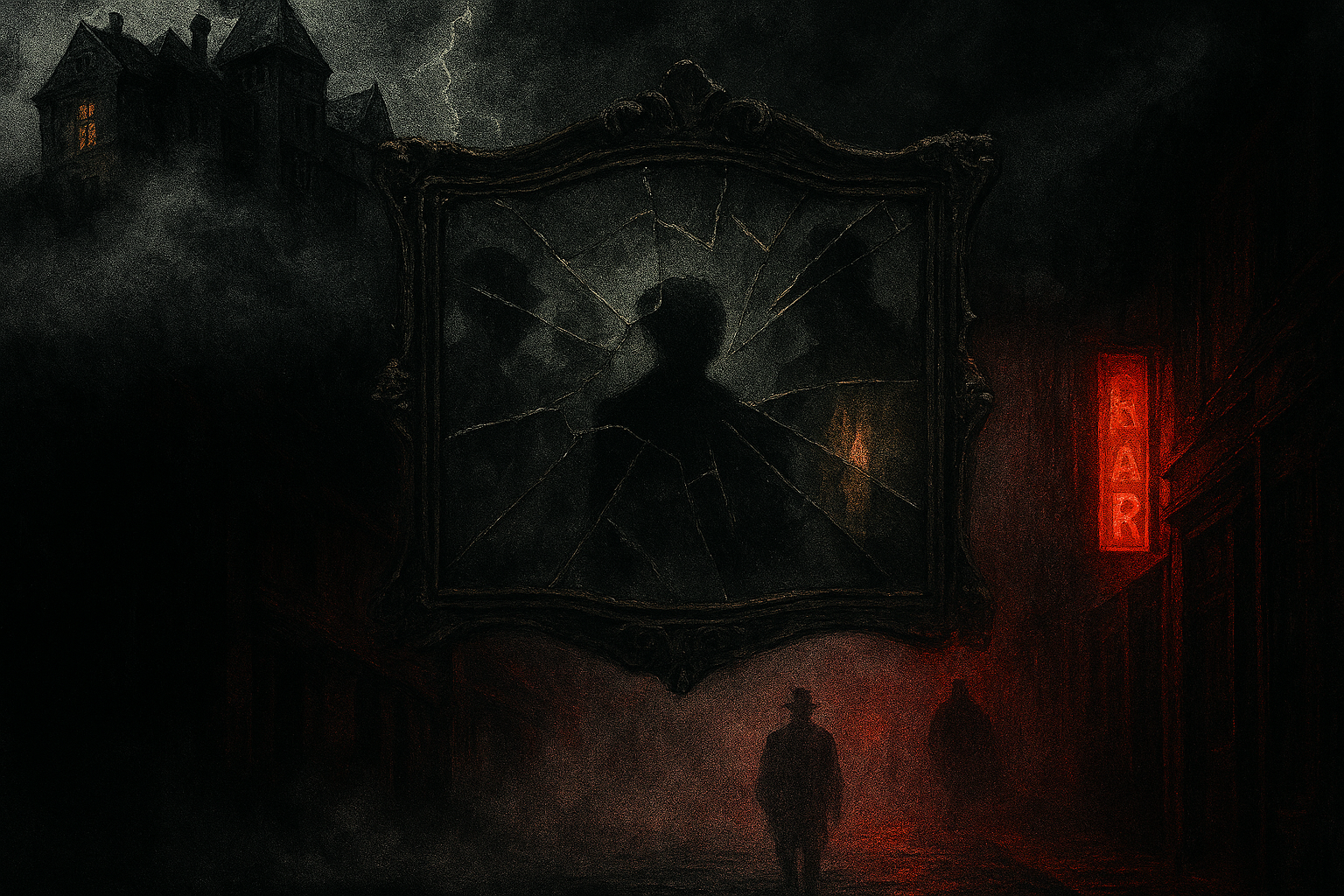
The world of literature has always found a dark allure in shadows. There’s a magnetic pull toward the unsettling truths hidden beneath the surface. For decades, the genre of horror noir has expertly exploited this fascination. It marries the gritty, fatalistic atmosphere of classic noir with the creeping dread of horror. It’s a space where paranoia is a lifestyle, morality is a blurred line, and the monsters might just be living next door—or inside your own head.
Here at Mind on Fire Books, we’re plunging into the murky depths of this captivating genre. We are charting its evolution from the unsettling foundations laid by literary giants to the innovative, boundary-pushing narratives defining its modern landscape.
Echoes in the Gloom: The Foundations of Classic Horror Noir
Classic horror noir didn’t just tell stories; it built unsettling worlds. These seminal works perfected the art of psychological suspense, creating an inescapable sense of dread. Often, this dread felt more internal than external.
Shirley Jackson stands as an undisputed high priestess of this style. Her masterpieces, “We Have Always Lived in the Castle“ and “The Haunting of Hill House,” are quintessential examples. Jackson’s genius lay in crafting eerie settings and profoundly unsettling narratives. The terror is often born from isolation, paranoia, and the slow unraveling of sanity. Her unforgettable prose from “The Haunting of Hill House” still chills: “No live organism can continue for long to exist sanely under conditions of absolute reality.” This isn’t just a ghost story; it’s a chilling meditation on what it means to break under the weight of an unseen oppression.

Another cornerstone of the genre, Henry James’s “The Turn of the Screw“ (1898), is a masterclass in supernatural ambiguity. Its haunting tale of a governess, two children, and possibly malevolent spirits has intrigued and terrified readers for over a century. James understood the power of implication. He leaves readers to question whether the horror is real or a figment of a fractured mind. Its iconic opening line—“The story had held us, round the fire, sufficiently breathless”—perfectly captures the gripping, claustrophobic essence of classic horror noir.
These early works established that the greatest horrors don’t always jump out from the dark. Sometimes, they slowly bleed into the soul.
New Shades of Darkness: The Rise of Modern Horror Noir
Building upon these hallowed, haunted grounds, modern horror noir has broadened its scope. It injects fresh perspectives and diverse voices into the genre. Contemporary authors aren’t just telling chilling tales; they’re often using the noir framework to explore pressing societal issues through a macabre lens.
Authors like Victor LaValle exemplify this new wave. His critically acclaimed “Lone Women” weaves elements of the supernatural with themes of survival. It also explores the harsh realities faced by women in the American West, creating a unique and deeply unsettling experience. Similarly, Tiffany D. Jackson’s “The Weight of Blood“ masterfully blends social commentary with supernatural horror. It dissects prejudice and revenge with a sharp, unflinching gaze.

Modern horror noir also delights in remixing and reimagining classic tales. T. Kingfisher’s “What Moves the Dead,” for instance, takes Edgar Allan Poe’s iconic “The Fall of the House of Usher” and reinterprets it with a fresh, unsettling perspective. Kingfisher’s narrative is both a loving homage to Poe’s Gothic grandeur and a standalone marvel. It proves that the roots of horror noir can continually sprout new, terrifying branches.
These contemporary works show that horror noir isn’t static. Instead, it’s a dynamic, evolving genre unafraid to confront both external demons and the insidious darkness within human systems.

The Shadow Endures: An Ever-Evolving Nightmare
From the creeping dread of a haunted mansion to the societal anxieties laid bare, horror noir continues to evolve. It proves its timeless appeal. Each new work pays tribute to the psychological depth and atmospheric tension of the classics. Yet, they boldly chart their own course through the darkest corners of the human experience.
Whether you’re drawn to the claustrophobic dread of Shirley Jackson or the innovative, genre-bending narratives of Victor LaValle, horror noir remains a testament. It shows the enduring power of stories that refuse to shy away from uncomfortable truths. It’s a genre that thrives in the liminal spaces. Here, the line between reality and nightmare is as thin and fragile as a whispered secret.
For readers seeking to explore the depths of this captivating genre, the journey into horror noir is a gateway. It leads to worlds where the ordinary is twisted, and the night forever holds new terrors. Dive in, if you dare—but be warned. Once you enter the realm of horror noir, you may never look at the shadows the same way again.
Thank you for visiting with me. For more Poetry or Literature related content, visit my blog at The Ritual. Copyright Mind on Fire Books.

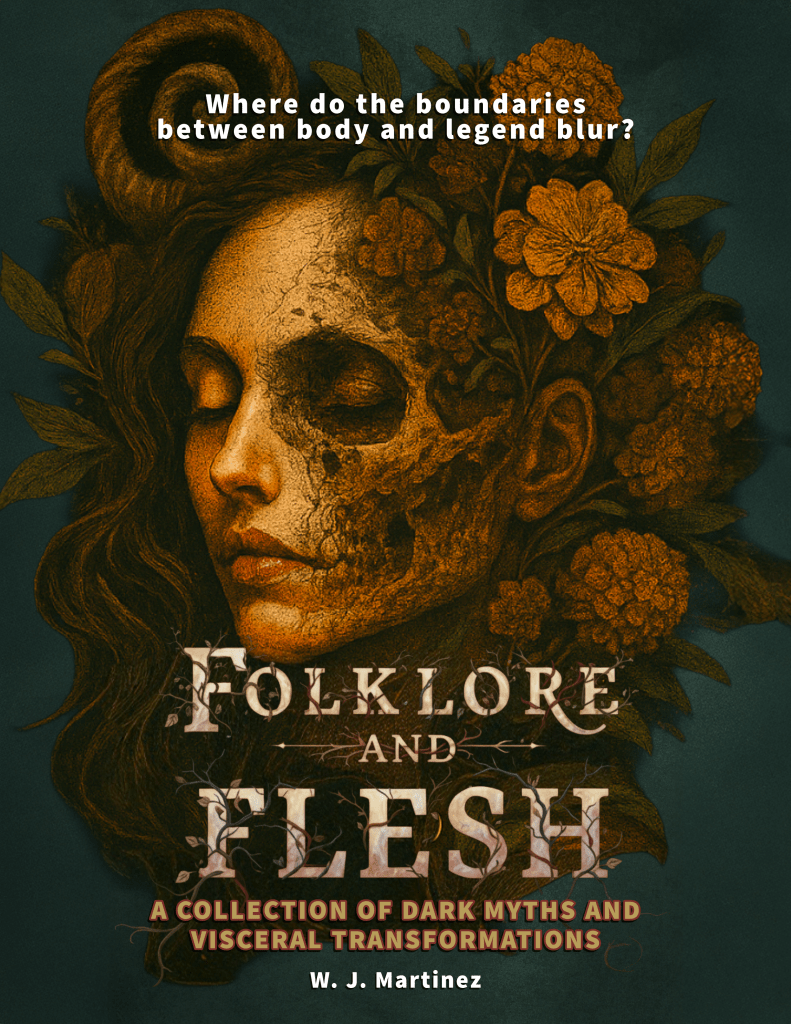
Folklore and Flesh: A Dark Fiction Collection of Folklore and Body Horror
Step into the uncanny with Folklore and Flesh—a collection of visceral horror stories and haunting poems that blur the boundaries between myth and the body. From ancient rituals and supernatural transformations to the raw ache of grief and memory, these tales invite you to explore the shadowed places where folklore becomes flesh.
This collection binds 10 creative short stories and a dozen visceral poems.





Leave a Reply