
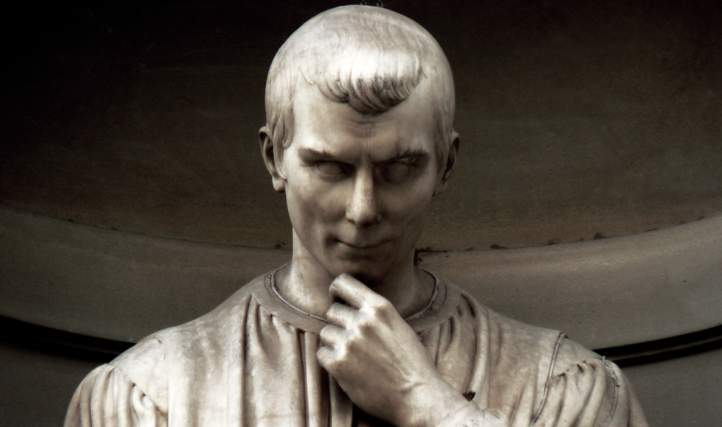
Niccolo Machiavelli, an Italian Renaissance political philosopher and statesman, is best known for his controversial masterpiece, “The Prince”. His writings have transcended time, influencing both the political sphere and the world of literature with his shrewd insights into human nature and governance.
The influence of Niccolò Machiavelli remains significant even today, as many contemporary thinkers and leaders reference his theories when navigating the complexities of politics.
The Prince: A Guide to Political Realism
“The Prince” is regarded as the bible of realpolitik and Machiavelli’s most famous work. Written in 1513, it advises new rulers on maintaining power in a turbulent political landscape. Machiavelli’s pragmatism shines as he outlines strategies for handling rivals, managing public perception, and navigating the fickle nature of fortune.
Niccolo Machiavelli emphasizes the importance of adaptability, suggesting that rulers must be prepared to act immorally when necessary, challenging the ethical boundaries of governance and leadership. Despite its age, “The Prince” remains relevant today, reflecting the complexities of modern politics and leadership, as contemporary leaders face dilemmas that resonate with Machiavelli’s insights on authority and control.

Thank you for visiting with us. For more Writers and Rhetoric related content, visit our blog at The Ritual.
This groundbreaking work not only provides practical political strategies but also challenges the idealistic principles that typically govern philosophical thought, pushing readers to consider the often uncomfortable realities of power dynamics in both historical and contemporary contexts.
The book serves as a mirror to the political struggles we witness today, encouraging a candid examination of the motives behind what leaders do, and how their decisions impact society. (Article contains affiliate links.)
Machiavelli’s Literary Influence Machiavelli’s influence extends beyond political theory into literature and drama. His play “Mandragola” is a satirical take on human vices and virtues, showcasing his wit and understanding of human psychology.
In this work, he explores themes of manipulation, desire, and deception, illustrating how individuals can be driven by base instincts in their pursuit of power and personal gain. His works are studied not only for their political content but also for their literary merit, as they capture the essence of the human condition and the myriad motivations that spur individuals into action.
Engaging the Literary Enthusiast
For those captivated by literature and books, Niccolo Machiavelli’s writings serve as a thrilling gateway into the tumultuous political and social dynamics of the Renaissance. His masterful ability to unveil the shadowy facets of human behavior renders his texts irresistibly compelling for both scholars and casual readers.
Machiavelli’s daring exploration of themes like power, betrayal, and morality transforms his writings into not just a riveting study, but a potent mirror reflecting society’s relentless struggles with ethics and authority.
His astute observations of human nature and the intricate dance between ambition and morality resonate deeply, solidifying his works as an indispensable part of the literary canon and a crucial ingredient in discussions about the essence of leadership and governance.

Thank you for visiting with us. For more Writers and Rhetoric related content, visit our blog at The Ritual.
Furthermore, Machiavelli’s distinct perspective on the bond between rulers and the ruled beckons readers to confront the often disquieting truths about the exercise of power.
Niccolo Machiavelli audacious arguments disrupt conventional notions of virtue and ethics, inciting a passionate self-examination of what it truly means to lead effectively in a world rife with conflict and competition.
Consequently, engaging with Machiavelli’s writings not only enriches one’s comprehension of historical contexts but also casts a brilliant light on contemporary issues of political strategy and ethical leadership, ensuring that his insights pulse with relevance in today’s intricate landscape.
Thank you for visiting with us. For more Writers and Rhetoric related content, visit our blog at The Ritual.
Copyright © 2024 By Mind on Fire Books





Leave a Reply