
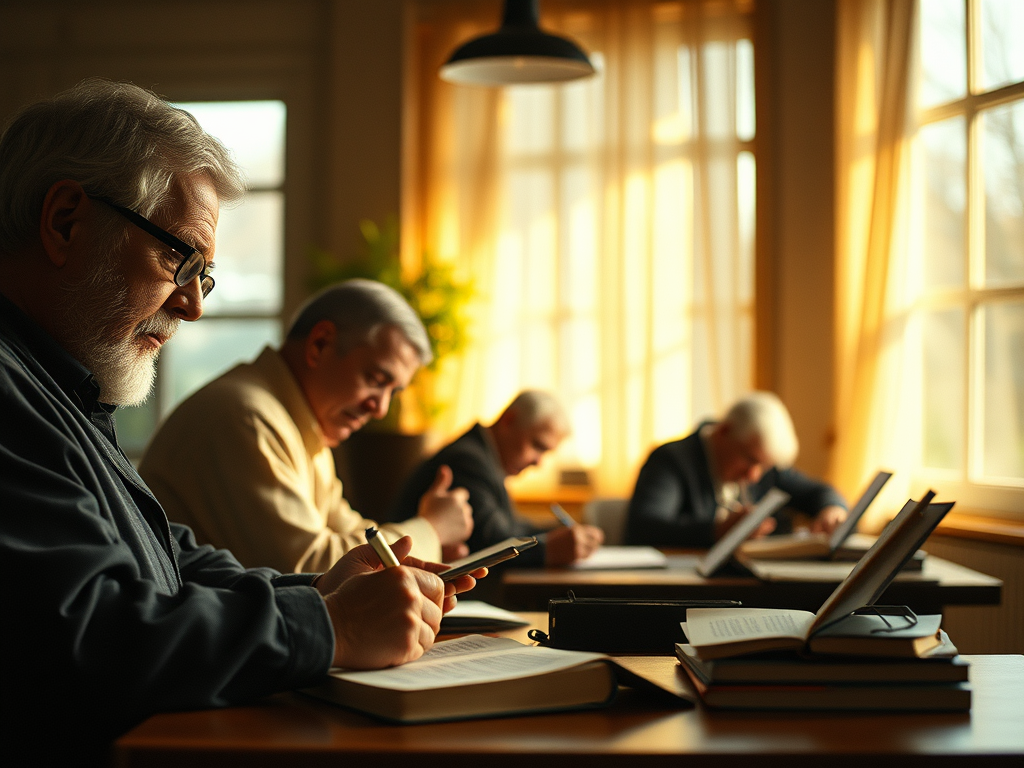
For many writers, the time of day they choose to write is crucial. It is as crucial as the words they put on paper. The routines of famous authors reveal a fascinating spectrum of habits, each tailored to their unique creative processes.
Here, we explore the preferred writing times of 20 renowned and famous authors. We offer insights and inspiration for literary lovers and aspiring authors. Affiliate links on each author take you to their books at Amazon.
The Writing Hours of 20 Famous Authors
Early Morning Writers

- Haruki Murakami: Murakami starts his day at 4 AM, writing for five to six hours straight. He believes in the power of repetition and consistency to reach a deeper state of mind.

- Ernest Hemingway: Hemingway wrote every morning as soon after first light as possible, finding the early hours free from distractions.

- Toni Morrison: Morrison discovered that she was most clear-headed and open to writing before sunrise.

- Maya Angelou: Angelou rented a hotel room where she would write from early morning until about 2 PM.

- Kurt Vonnegut: Vonnegut began his writing day at 5:30 AM, working until 8 AM, then taking a break before continuing.
Late Morning to Afternoon Writing Hours

- Stephen King: King writes every day. He starts at 8 AM and continues until he reaches his daily goal of 2,000 words.

- Virginia Woolf: Woolf wrote in the late morning, after a leisurely breakfast and a walk.

- Charles Dickens: Dickens wrote from 9 AM to 2 PM, followed by a long walk to clear his mind.

- Jane Austen: Austen wrote in the morning, often before the rest of her household was awake.
- Mark Twain: Twain wrote from breakfast until around 5 PM, taking breaks for meals and walks. Many famous authors in history had distinct schedules.
The Writing Hours of 20 Famous Authors Continued
Evening Writers

- F. Scott Fitzgerald: Fitzgerald often wrote in the late afternoon and evening, sometimes working late into the night.

- J.K. Rowling: Rowling wrote whenever she could find time, often in the evening after her children were asleep2. Many famous authors find inspiration during these hours.

- Ray Bradbury: Bradbury preferred to write in the evening, finding the quiet hours conducive to creativity.

- James Joyce: Joyce wrote in the late afternoon and evening, often working until midnight.

- Franz Kafka: Kafka wrote at night, after finishing his day job, often working until the early hours of the morning.
Thank you for visiting with us. For more Reviews or Literature related content, visit our blog at The Ritual. Copyright Mind on Fire Books 2024.
Night Owls

- Hunter S. Thompson: Thompson’s writing hours schedule was famously erratic, often starting late at night and continuing until dawn. These diverse schedules show how famous authors have varied routines.

- Sylvia Plath: Plath wrote late at night, finding the quiet and solitude inspiring.
- Marcel Proust: Proust wrote in bed, often starting in the evening and continuing through the night.

- Truman Capote: Capote described himself as a “completely horizontal author,” writing in bed late at night.

- Vladimir Nabokov: Nabokov wrote in the evening, often working until the early hours of the morning.
Writing Hours of 20 Writers
The writing hours of these famous authors highlight the diversity of creative processes. Whether you’re an early bird or a night owl, the key is to find a routine that works for you and stick to it. Consistency, discipline, and a deep connection to your work are the common threads that unite these literary giants.
For literary lovers and aspiring writers, understanding these routines can offer valuable insights and inspiration. The habits of famous authors often provide guidance on embracing your unique rhythm and letting the words flow at the time that feels most natural to you.
Happy writing!
Thank you for visiting with us. For more Reviews or Literature related content, visit our blog at The Ritual. Copyright Mind on Fire Books 2024.


Leave a Reply