
There are horror films that want the jump. The gasp. The moment when something steps out of the dark.
Richard Bailey seems interested in what happens after that.
In The Dark Sisters and Howler, plot feels almost secondary to atmosphere. These films work through dread, symbolism, fractured memory, and the uneasy sensation that something has shifted beneath your feet, even if you cannot quite name what it is.
This is literary horror translated to the screen.
Bailey does not guide you carefully through the darkness. He leaves you there.
I met Richard virtually when I had the privilege of interviewing him for my Authors and Allies Series, here.
Rejecting the Real
The Dark Sisters operates according to something closer to dream logic than conventional narrative. Characters communicate through thoughts. Bodies move through unexpected interpretive dance. Dialogue arrives less as exposition than invocation.
None of it feels especially interested in behaving like reality.
That is the point.
Bailey creates a space where the familiar begins slipping loose. The rules are recognizable enough that we think we understand them, until suddenly we don’t. Reality becomes unstable, and once that happens, the viewer has nowhere solid to stand.
Howler announces its intentions almost immediately.
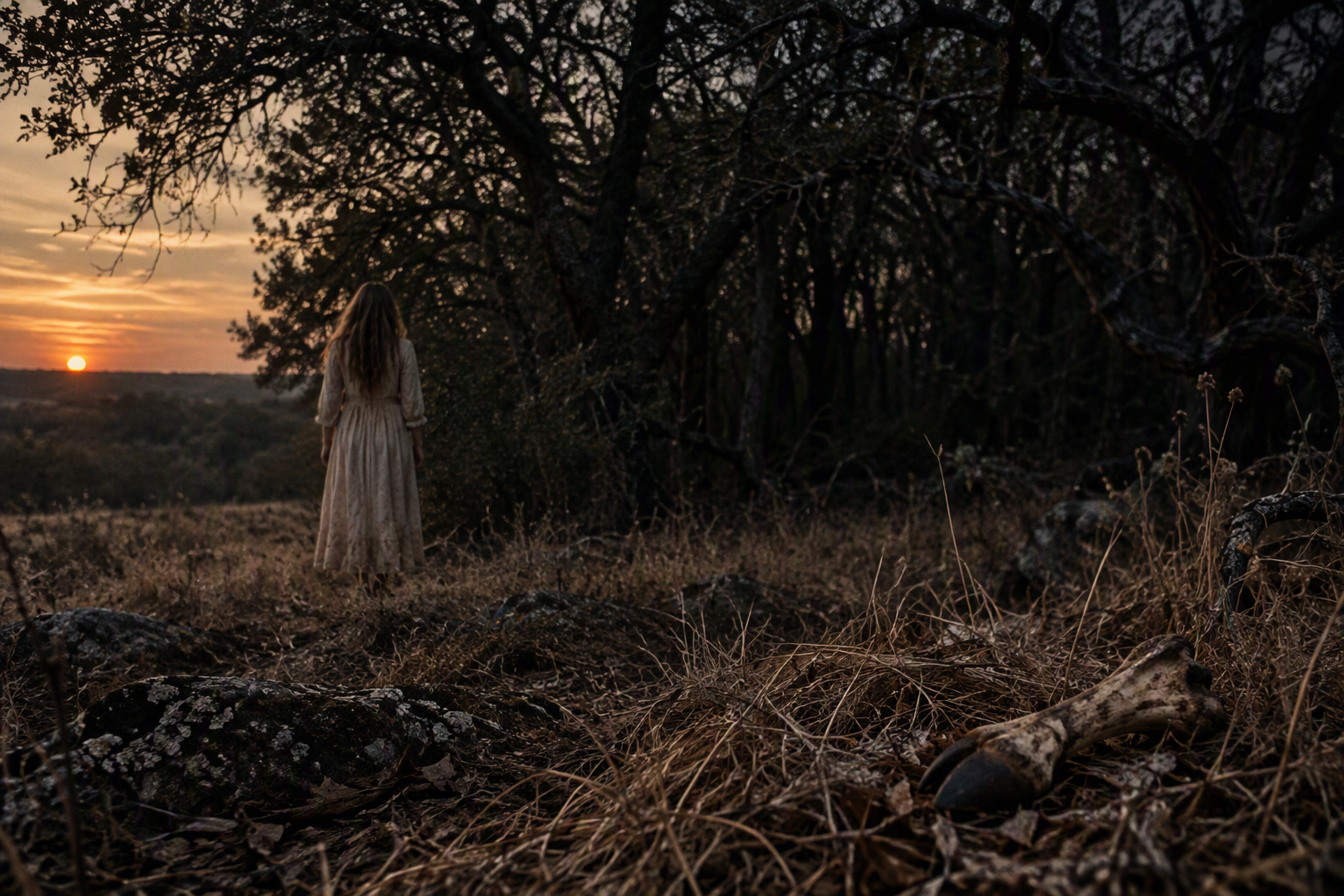
Its opening is wordless. The camera moves through an ominous forest with the strange patience of something searching. Watching it, I had the feeling that the woods were not simply being photographed. They were watching back.
Then Leni whispers:
“I am alone.”
Four words, but they carry the weight of the film.
From there, Howler fractures into visions, symbols, animals, clues and apocalyptic imagery. A deer hoof. A coyote. Pieces that refuse to immediately assemble themselves into an answer.
Some viewers will find that frustrating.
I found it honest.
Because nightmares rarely explain themselves.
Neither does grief.
Neither does guilt.
Nor does the wilderness.

When Nature Holds the Gavel
Watching these films, I recognized a shared bloodline. The Dark Sisters and Howler feel as though they could have been ripped straight from the pages of my own collection, Folklore and Flesh. Bailey and I are hunting the same truth: the idea that nature isn’t just a passive backdrop. It is an active, breathing entity that holds us accountable. The horror in Bailey’s universe isn’t a monster in the woods—it’s the unburied weight of our own guilt. If I ever traded my pen for a camera, these are exactly the kind of films I would bleed to make.
The Challenge: Cinema for the High-Functioning Mind
If you are looking for a fast-paced thriller or neatly wrapped character arcs, keep scrolling. Bailey’s pacing is deliberate, agonizing, and entirely necessary. He isn’t telling a ghost story; he’s orchestrating a psychological state.
These are not films for casual consumption. They are dense, atmospheric experiences crafted for audiences hungry for folk horror and psychological unease. They are films to prepare for, contemplate, and revisit.
Let them change the temperature of the room.
You can hear Richard Bailey discuss the chaotic, micro-budget realities of making these films—including shooting The Dark Sisters in just 7 days with a tiny crew—on The Blueprint for Indie Film Directing.
About Richard Bailey
Richard Bailey doesn’t need a studio to build a nightmare. Operating entirely outside the bloated Hollywood machine, Bailey treats independent filmmaking as a high-performance, survivalist craft. He is a master of turning brutal constraints into sharp, uncompromising art.
He shoots in 107-degree Texas heat. Bailey builds cinematic dread with minimal gear. He shot The Dark Sisters in exactly seven days, with a seven-person crew, for a mere $7,000. Whether framing the apocalyptic dread of Howler or carving out dialogue that lingers like a threat, Bailey is living proof that intellect and grit will always outlast a massive budget. He isn’t just making movies; he’s building beacons for the fiercely independent artist.
Thank you for visiting with us. For more Reviews or Literature related content, visit our blog at The Ritual. Copyright Mind on Fire Books.




Leave a Reply