
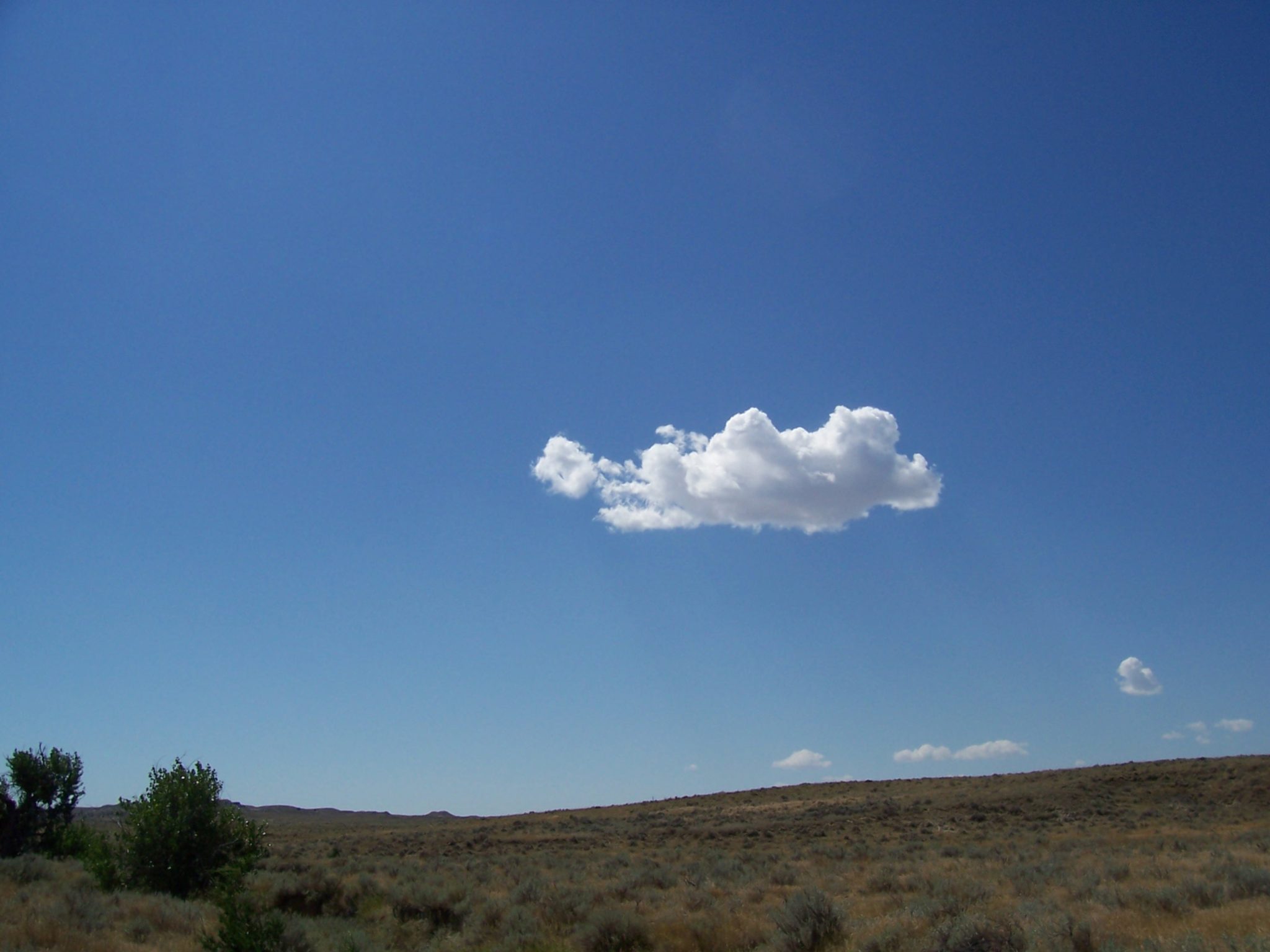
“I Wandered Lonely as a Cloud,” also known as “Daffodils,” is a well-known and beloved poem by William Wordsworth. Here are a few reasons why you might consider reading it, or just scroll down to read the poem:
1. Captivating imagery: Wordsworth’s descriptive language transports readers to a picturesque scene of daffodils and natural beauty. The vivid imagery allows you to visualize and experience the tranquil and awe-inspiring setting.
2. Connection to nature: The poem celebrates the beauty and power of nature, reminding us of its ability to uplift our spirits and provide solace. It encourages us to appreciate and connect with the natural world, even in our loneliest moments.
3. Reflective and contemplative tone: “I Wandered Lonely as a Cloud” invites readers to reflect on the beauty of the world and the impact it can have on our emotions and well-being. It encourages introspection and contemplation of the deeper meaning found in ordinary moments.
I Wandered Lonely as a Cloud
I wandered lonely as a cloud
That floats on high o'er vales and hills,
When all at once I saw a crowd,
A host, of golden daffodils;
Beside the lake, beneath the trees,
Fluttering and dancing in the breeze.

Continuous as the stars that shine
And twinkle on the milky way,
They stretched in never-ending line
Along the margin of a bay:
Ten thousand saw I at a glance,
Tossing their heads in sprightly dance.

The waves beside them danced; but they
Out-did the sparkling waves in glee:
A poet could not but be gay,
In such a jocund company:
I gazed—and gazed—but little thought
What wealth the show to me had brought:

For oft, when on my couch I lie
In vacant or in pensive mood,
They flash upon that inward eye
Which is the bliss of solitude;
And then my heart with pleasure fills,
And dances with the daffodils.
Overall, reading “I Wandered Lonely as a Cloud” can provide you with a moment of tranquility, inspire a deeper appreciation for nature, and allow you to reflect on the profound impact that simple things can have on our lives.
William Wordsworth
Wordsworth’s deep love for the “beauteous forms” of the natural world was established early. The Wordsworth children seem to have lived in a sort of rural paradise along the Derwent River, which ran past the terraced garden below the ample house whose tenancy John Wordsworth had obtained from his employer, the political magnate and property owner Sir James Lowther, Baronet of Lowther (later Earl of Lonsdale).





Leave a Reply